
Living in Rosenberg: Historic Roots and Growing Opportunity in Fort Bend County
Rosenberg, Texas, offers a welcoming blend of history, community pride, and steady growth that continues to draw people to this corner of Fort Bend County. Located southwest of Houston, Rosenberg provides the comfort of a close-knit city with convenient access to one of the nation’s largest metro areas. Tree-lined streets, locally owned businesses, and long-standing neighborhoods create a sense of familiarity that residents value, while new development adds energy and opportunity. Life in Rosenberg moves at a pace that feels approachable, where neighbors recognize one another and community traditions still matter. At the same time, modern conveniences, expanding retail options, and improving infrastructure support everyday living. For those seeking a place with character, affordability, and room to grow, Rosenberg continues to stand out as a city that honors its past while planning thoughtfully for the future.
What Is the History of Rosenberg, Texas?
Rosenberg’s history is closely tied to the expansion of railroads in Texas during the late nineteenth century. Founded in 1883, the city grew rapidly after the Gulf, Colorado, and Santa Fe Railway established a stop in the area, which was named after Henry Rosenberg, a Swiss immigrant and prominent businessman. The railroad transformed the region into a transportation and trade hub, allowing agricultural goods such as cotton, corn, and sugar to move efficiently to larger markets. This early economic foundation shaped Rosenberg’s identity as a hardworking, opportunity-driven community.
As the railroad brought growth, Rosenberg developed a strong downtown core filled with brick storefronts, hotels, and civic buildings that still define its historic character today. The city was incorporated in 1884 and soon became an important center of commerce in Fort Bend County. Immigrant families, entrepreneurs, and farmers all contributed to Rosenberg’s diverse cultural fabric, establishing churches, schools, and local institutions that anchored the community. Despite setbacks such as fires and economic downturns, Rosenberg consistently rebuilt and adapted.
Throughout the twentieth century, Rosenberg evolved alongside the Greater Houston area while maintaining its own distinct identity. Improved highways and suburban expansion increased residential development, yet the city preserved many historic landmarks and neighborhoods. In recent decades, revitalization efforts have focused on restoring downtown buildings and supporting small businesses, ensuring that Rosenberg’s heritage remains visible. Today, the city reflects more than a century of resilience, progress, and community pride, offering residents a strong connection to Texas history alongside modern opportunity.
Homes for Sale
What Is Life Like in Rosenberg, Texas?
Life in Rosenberg is shaped by community involvement, everyday convenience, and a strong sense of local identity. Residents enjoy a lifestyle that balances small-city familiarity with access to shopping, dining, and entertainment options throughout Fort Bend County. Downtown Rosenberg serves as a focal point, where restored historic buildings house restaurants, boutiques, and local offices. Community events, seasonal festivals, and farmers’ markets regularly bring people together, reinforcing a sense of belonging that extends across generations.
Parks and outdoor spaces play an important role in daily life. Seabourne Creek Nature Park offers trails, fishing areas, and scenic green space that encourage residents to spend time outdoors. Additional neighborhood parks provide playgrounds, sports fields, and picnic areas that support active living for all ages. Rosenberg’s layout makes it easy to enjoy both quiet residential streets and lively commercial areas without long commutes.
Dining options range from classic Texas barbecue and family-owned diners to international cuisine reflecting the city’s cultural diversity. Shopping continues to expand with a mix of national retailers and locally operated stores. Many residents appreciate the city’s affordability compared to nearby metro areas, along with the ability to commute to Houston or Sugar Land for work while returning home to a more relaxed environment. Life in Rosenberg offers comfort, connection, and opportunity, making it appealing to a wide range of households.
What Are the Best Neighborhoods in Rosenberg, Texas?
Rosenberg offers a variety of established and growing neighborhoods, each contributing to the city’s welcoming character and providing options for different lifestyles and preferences.
Downtown Rosenberg: Living near downtown places residents close to the city’s historic heart. Homes in this area often feature classic architectural details and mature landscaping. The walkable setting provides easy access to shops, dining, and community events, creating an engaging environment for those who enjoy being part of local activity. Downtown Rosenberg appeals to residents who value character, history, and convenience within a compact setting.
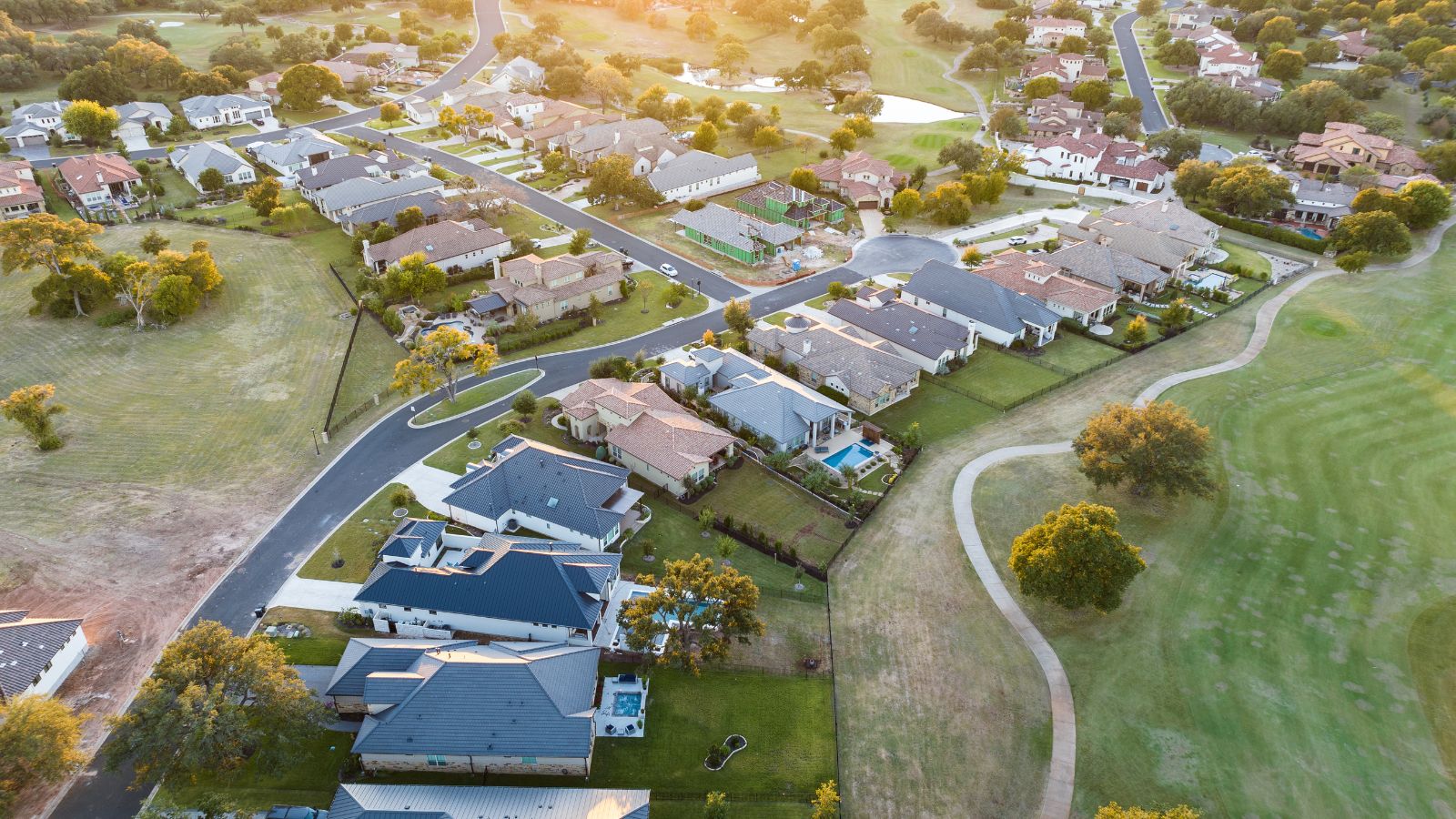
Summer Lakes: Summer Lakes is known for its community-focused design and recreational amenities. Tree-lined streets, sidewalks, and neighborhood lakes create an inviting atmosphere for daily walks and outdoor enjoyment. Homes here typically offer modern layouts and well-maintained surroundings. Residents appreciate the neighborhood’s sense of organization and pride, along with its proximity to schools, parks, and shopping.
The Trails at Seabourne Park: Located near Seabourne Creek Nature Park, this neighborhood appeals to those who enjoy access to green space and outdoor activities. Homes are thoughtfully arranged, and the surrounding environment feels calm and residential. Easy access to trails and open areas supports an active lifestyle while still keeping everyday conveniences within reach.
Cottonwood: Cottonwood is an established neighborhood with a strong sense of familiarity and long-term residency. Larger lots, mature trees, and a traditional suburban feel define the area. Residents often value the neighborhood’s stability and its convenient location near major roads, schools, and shopping centers.
River Run at the Brazos: Positioned near the Brazos River, River Run offers scenic surroundings and a quieter residential feel. Homes are designed to complement the natural setting, and the neighborhood provides a sense of retreat while remaining connected to the rest of the city. It appeals to those seeking space, privacy, and a peaceful atmosphere.
Together, these neighborhoods highlight Rosenberg’s range of living options, from historic streets to thoughtfully planned communities, all tied together by the city’s welcoming spirit.
What Schools Serve Rosenberg, Texas?
Rosenberg is served primarily by the Lamar Consolidated Independent School District, a district known for its commitment to academic growth and community engagement. The district offers a range of elementary, middle, and high schools that focus on strong foundational learning, student support, and extracurricular involvement. Schools emphasize literacy, math proficiency, and critical thinking while also offering opportunities in athletics, the fine arts, and career-focused programs.
Elementary schools in Rosenberg are designed to create supportive environments where students build confidence and curiosity. Middle schools expand on these skills with more specialized coursework and enrichment opportunities that prepare students for high school. High schools within the district offer advanced placement courses, career and technical education pathways, and dual-credit options that help students plan for college or the workforce.
Private and faith-based schools are also available in and around Rosenberg, providing additional educational choices for families seeking smaller class sizes or specialized instruction. For higher education, residents benefit from proximity to institutions such as Houston Community College campuses and universities throughout the Greater Houston area. This access allows students to pursue certificates, associate degrees, and four-year programs without relocating far from home. Rosenberg’s educational landscape supports lifelong learning and reflects the city’s investment in future generations.
What Is the Weather Like in Rosenberg, Texas?
Rosenberg experiences a warm, subtropical climate typical of Southeast Texas, with long summers and mild winters. The area averages about 204 sunny days each year, receives approximately 48 inches of rainfall, and sees virtually no annual snowfall. Summers are hot and humid, with daytime temperatures often reaching the low to mid-90s. Evenings tend to remain warm, making early mornings and shaded outdoor spaces popular for summer activities.
Fall brings gradual cooling, with daytime highs settling into the 80s and evenings becoming more comfortable. This season is often marked by community events and outdoor gatherings as humidity levels ease. Winters in Rosenberg are mild, with average daytime temperatures in the 50s and 60s. Cold snaps are typically brief, and snow is extremely rare, allowing residents to maintain daily routines with minimal weather disruption.
Spring arrives early, bringing warmer temperatures, blooming landscapes, and increased rainfall that keeps local parks and green spaces vibrant. Temperatures generally range from the 60s to the 80s, creating favorable conditions for outdoor recreation and neighborhood activities. Overall, Rosenberg’s climate supports year-round outdoor living and contributes to the city’s appeal for those who prefer warm weather and minimal winter conditions.
How Easy Is Transportation in Rosenberg, Texas?
Transportation in Rosenberg is convenient and well-suited for both local travel and regional commuting. The city is located near major roadways, including U.S. Highway 59, which provides direct access to Houston and surrounding communities. This connectivity makes Rosenberg an appealing choice for residents who work in nearby cities while preferring a smaller hometown environment.
Local roads are designed to support residential growth and commercial development, with ongoing improvements aimed at easing traffic flow. While Rosenberg does not operate a local public transit system, nearby park-and-ride options and regional services help connect residents to the broader Houston transit network. Many households rely on personal vehicles for daily travel, benefiting from clear routes and manageable commute times.
Air travel is accessible through George Bush Intercontinental Airport and William P. Hobby Airport, both within reasonable driving distance. These airports offer extensive domestic and international flight options, supporting business and leisure travel. Rosenberg’s transportation infrastructure continues to evolve alongside population growth, ensuring that residents remain connected to employment centers, educational institutions, and entertainment destinations throughout the region.
Are You Ready to Call Rosenberg Home?
Rosenberg, Texas, offers a lifestyle rooted in history, strengthened by community, and supported by ongoing growth. Its neighborhoods reflect a range of living options, its schools emphasize opportunity, and its location provides access to the wider Fort Bend County and Houston area. For those seeking a place where everyday life feels grounded yet forward-looking, Rosenberg delivers a thoughtful balance. If you are considering buying a home or would like to learn more about living in Rosenberg, reach out to me to explore available properties and find the right fit for your next chapter.